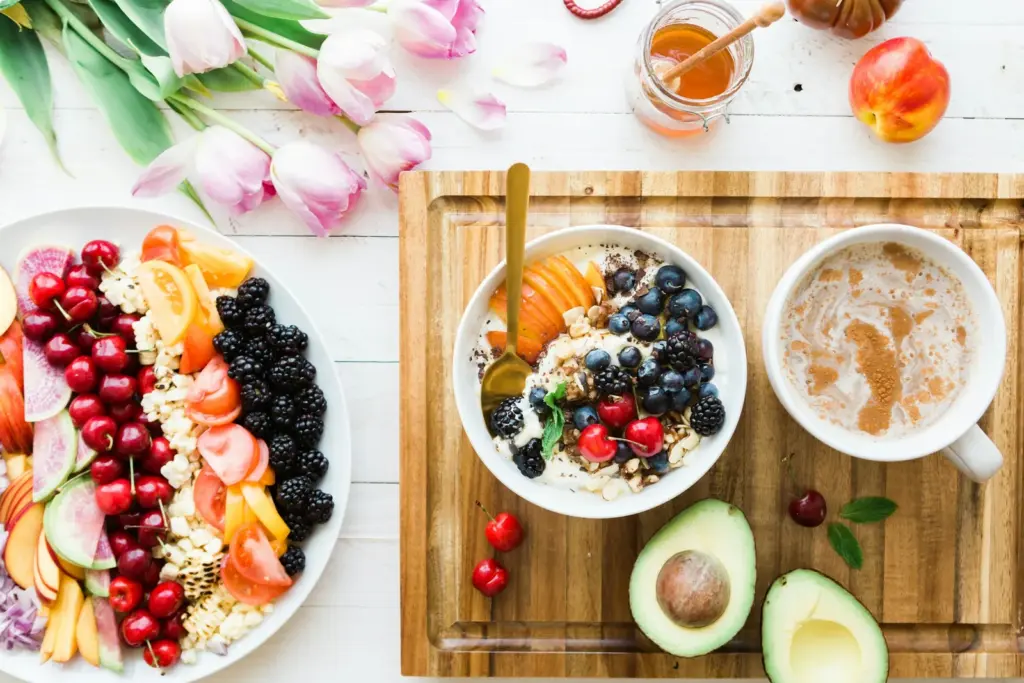
Eating well in pregnancy is not about “eating perfectly” or “eating for two”. It is about giving your body the steady, sensible nutrition it needs to grow a baby, support your own health, and help you feel as well as possible along the way.
What does a healthy pregnancy diet really mean?
For most women, a good pregnancy diet looks very similar to a good everyday diet: a balance of vegetables and fruit, wholegrain carbohydrates, protein-rich foods, and dairy or calcium-fortified alternatives. You do not need expensive “superfoods” or complicated plans. You need regular meals, a variety of colours and textures on the plate, and enough energy to maintain healthy weight gain through the pregnancy.
A simple way to think about it is: build each meal around a carbohydrate base (such as wholemeal bread, rice, potatoes or pasta), add a source of protein (beans, lentils, eggs, fish, lean meat, tofu), and then be generous with vegetables or salad. Fruit, yoghurt, nuts and wholegrain snacks can sit around that framework when you are hungry between meals.
Do you really need to eat more?
The idea of “eating for two” is a myth in early and mid-pregnancy. For most women, there is no need to increase food intake at all in the first two trimesters, unless you started pregnancy underweight or are losing weight due to nausea. In the final trimester, an extra 200–300 calories a day is usually enough – the equivalent of a small bowl of wholegrain cereal with milk, or a couple of slices of wholemeal toast with a topping.
What matters far more than the exact number of calories is the quality of those calories. Choosing fibre‑rich carbohydrates, good quality protein, and healthy fats will support blood sugar control, reduce constipation, and help you feel fuller for longer.
Key nutrients to pay attention to
Certain nutrients become particularly important in pregnancy:
Folate/folic acid supports your baby’s early neural development.
Iron supports your expanding blood volume and helps prevent or treat anaemia.
Vitamin D supports bone health for you and your baby.
Iodine, calcium and omega‑3 fatty acids also play important roles in fetal brain, bone and thyroid development.
In the UK, women are advised to take 400 micrograms of folic acid daily until 12 weeks of pregnancy, ideally starting before conception, and 10 micrograms of vitamin D during the winter months or year‑round if sun exposure is low or skin is darker. Many women find a pregnancy multivitamin convenient, but it is not a substitute for a balanced diet, and anything “extra” beyond these two vitamins should be discussed with a clinician.
Foods to include, most days
If you think in food groups rather than nutrients, the picture becomes more practical:
- Wholegrain carbohydrates such as oats, brown or seeded bread, wholewheat pasta, potatoes with skin, and brown rice provide energy, fibre and B vitamins.
- Vegetables and fruits, in as many colours as you can manage over the week, provide vitamins, minerals, antioxidants and fibre.
- Protein foods such as beans, lentils, nuts, seeds, eggs, fish, poultry and lean meat supply the building blocks for your baby’s growth and help maintain muscle mass.
- Dairy foods or fortified alternatives (milk, yoghurt, cheese, calcium‑fortified plant milks) support calcium and iodine intake.
Fish can be particularly valuable, as it combines high‑quality protein with omega‑3 fats. In pregnancy, current guidance suggests aiming for two portions of fish per week, including one portion of oily fish such as salmon, sardines or mackerel, while avoiding shark, swordfish, marlin and limiting total oily fish due to pollutants.
Foods and drinks to limit or avoid
Some restrictions in pregnancy are about infection risk; others are about chemicals that may affect the baby. Key considerations include:
- Avoid unpasteurised milk and cheeses made from unpasteurised milk, certain soft mould‑ripened cheeses, and undercooked or raw meat, fish and eggs, because of listeria and other infections.
- Limit caffeine to around 200 mg per day – roughly two mugs of instant coffee or three cups of tea – remembering that cola, energy drinks and chocolate also contribute.
- Avoid alcohol altogether in pregnancy, as there is no known safe level.
- Be cautious with liver and liver products due to very high vitamin A content.
Simple food hygiene – washing hands, rinsing fresh produce, cooking meat thoroughly and keeping chilled foods properly refrigerated – is a quiet but important part of pregnancy diet safety.
Common symptoms and gentle strategies
Nausea, heartburn, constipation and changes in appetite are extraordinarily common, and a “perfect” diet is not realistic when you are struggling to keep food down. For nausea, many women find that small, frequent meals, plain carbohydrates (such as toast or crackers), cold foods, and sipping fluids regularly are more tolerable than large, rich meals. For heartburn, smaller portions, avoiding late‑night heavy meals, and reducing very fatty or spicy foods can help.
Constipation often eases with more fibre, more fluid, and as much gentle physical activity as you can manage. If symptoms are severe or you are losing weight, this deserves medical attention; you should not be left to “cope” alone.
If you have questions about your diet in pregnancy, or would like individualised advice that takes your medical history into account, please do come and see us to talk it through together.
Five FAQs about diet in pregnancy
1. Do I really need to take supplements if I’m eating well?
Even with an excellent diet, folic acid and vitamin D are still recommended in pregnancy because they cover specific needs that food alone may not reliably meet. Beyond that, extra supplements should be individualised; a simple pregnancy multivitamin is enough for many women, while others – for example, those following vegan diets or with restricted intake – may need more tailored support.
2. Is it a problem if I can only manage beige foods in the first trimester?
In the early weeks, survival often matters more than variety. If nausea limits you to toast, potatoes and plain foods for a while, that is understandable, and you can refocus on a more varied diet once symptoms settle. Keeping folic acid going, staying hydrated, and seeking help promptly if vomiting is severe or persistent are the priorities.
3. How much weight should I gain?
There is no single “right” number for everyone; recommended weight gain depends on your pre‑pregnancy BMI and individual circumstances. What you can control is the pattern: steady, gradual gain rather than sharp swings, and an emphasis on nourishing foods rather than high‑sugar, high‑fat snacks as the main source of calories.
4. Can I be vegetarian or vegan in pregnancy?
A well‑planned vegetarian or vegan diet can absolutely support a healthy pregnancy, but it does require attention to protein, iron, vitamin B12, iodine, calcium and omega‑3 intake. Many women in this situation benefit from individual dietary advice and, in some cases, additional supplements to ensure there are no gaps.
5. What is one simple change that makes a real difference?
For many women, the most powerful single change is to build meals around wholegrains, vegetables and a good protein source, and to keep sugary drinks and ultra‑processed snacks as occasional extras rather than daily habits. That one shift supports energy levels, digestion, weight gain and long‑term health for both you and your baby.
See an Obstetrician?
We’ve made it simple for you to schedule an appointment right away via Whatsapp.