
PROMOTING FEMALE HEALTH AT EVERY STAGE
Specializing in gynecologic care is a crucial and valuable focus in the field of healthcare. Gynecologists play a vital role in the well-being of women by providing comprehensive medical Treatments related to reproductive health, menstrual disorders, contraception, family planning, and the diagnosis and treatment of various gynecological conditions. They also offer preventive care, screenings, and guidance to ensure the overall health and reproductive health of their patients. This specialization reflects a commitment to addressing the unique healthcare needs of women and underscores the importance of expert care in this specific area of medicine.
At every phase of your women’s health journey, our dedicated team at Vinita Singh is here to provide guidance, answer your queries, and facilitate connections with experienced healthcare professionals. Kindly share your contact information, and our welcoming reception team will reach out to assist you promptly.
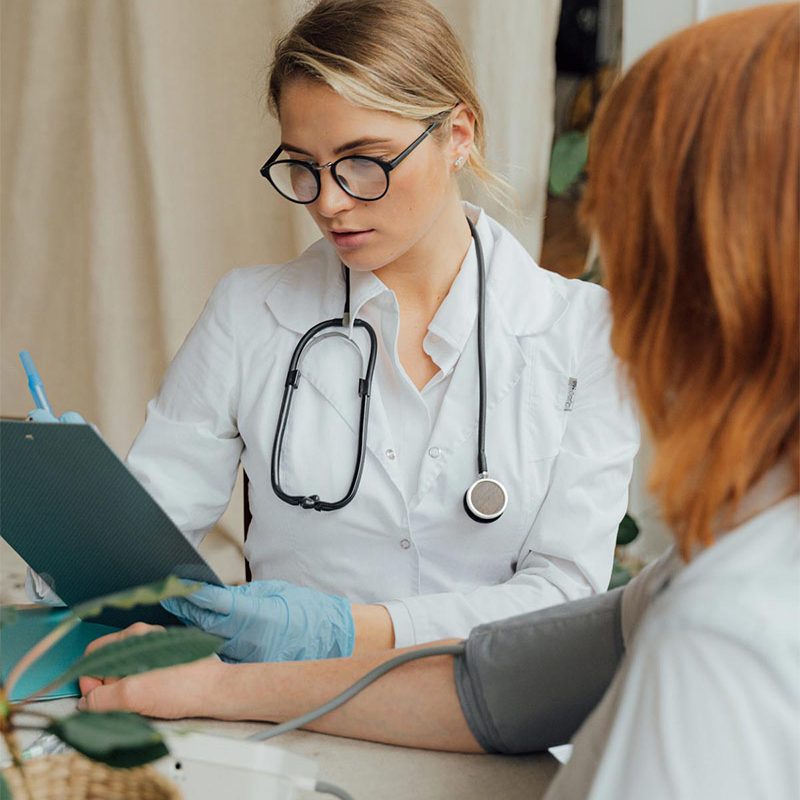

Our team is available to assist with women’s health questions and connecting individuals with the right General Practitioner (GP). Providing support and guidance for women at all stages of their health journey is essential for overall well-being. If you have any specific questions or need assistance, please feel free to reach out or leave your details, and the reception team will get in touch with you to provide the help and information you need. Taking proactive steps in managing women’s health is crucial for maintaining a healthy and fulfilling life.
Annual exams, also known as well-woman exams or annual check-ups, are a fundamental component of women’s healthcare. These routine appointments, typically conducted by a General Practitioner (GP) or gynecologist, are essential for maintaining and monitoring women’s health throughout their lives.
During these exams, healthcare providers can assess various aspects of a woman’s well-being, including reproductive health, cardiovascular health, and overall physical and emotional well-being. They often include a pelvic exam, breast examination, blood pressure measurement, and discussions about contraception, family planning, and any concerns or questions the patient may have.
Annual exams serve not only as a preventative measure but also as an opportunity for education, early detection of health issues, and establishing a strong patient- provider relationship. Regularly scheduling and attending these exams can contribute significantly to women’s overall health and quality of life.
* The specific exams and screenings recommended can vary based on a woman’s age, family history, personal health history, and risk factors. It’s essential to discuss your individual healthcare needs and screening schedule with your healthcare provider.
Contraception, also known as birth control, refers to the methods and techniques used to prevent pregnancy. There are numerous contraceptive options available to individuals, allowing them to make informed choices about family planning and reproductive health.
The methods can be broadly categorized into several categories such as Barrier Methods, Hormonal Methods, Intrauterine Devices (IUDs), Permanent Methods, Emergency Contraception, Fertility Awareness Methods and Withdrawal Method. The choice of contraception depends on individual preferences, medical history, lifestyle, and reproductive goals. It’s essential to consult with a healthcare provider to discuss contraceptive options and receive personalized guidance on selecting the most suitable method. Contraception not only prevents unwanted pregnancies but also contributes to family planning and reproductive health.
Abnormal uterine bleeding refers to any atypical bleeding that occurs outside of a woman’s regular menstrual cycle or is different from her usual pattern. It can manifest as changes in the frequency, duration, or amount of bleeding. Abnormal bleeding can occur for various reasons and at different stages of a woman’s life.
The evaluation of abnormal uterine bleeding is a comprehensive process that begins with a thorough medical history and physical examination. Healthcare providers inquire about menstrual patterns, recent changes, and any relevant medical conditions. Pelvic examinations are conducted to assess the reproductive organs, while diagnostic tests such as transvaginal ultrasounds, blood tests, Pap smears, and endometrial biopsies may be employed to pinpoint the underlying cause. Additional procedures like hysteroscopy or advanced imaging scans can offer further insights. Patients are often encouraged to maintain menstrual diaries and discuss accompanying symptoms. Lifestyle factors, including stress, weight changes, and exercise routines, are also considered. By systematically evaluating these factors, healthcare providers can diagnose the source of abnormal bleeding, enabling the development of tailored treatment plans aimed at addressing the root cause and ensuring the patient’s gynecological health and well-being.
The choice of treatment depends on the patient’s specific condition, age, reproductive goals, and overall health. Healthcare providers work closely with patients to discuss the available options and make personalized treatment recommendations. Effective treatment not only alleviates symptoms but also improves the patient’s quality of life and reproductive health.The treatment options for abnormal uterine bleeding depend on the underlying cause identified through the evaluation process. Once the cause is determined, healthcare providers can recommend appropriate treatments.
Human Papillomavirus (HPV) is a common viral infection transmitted through skin-to-skin contact, particularly during sexual activity. There are over 200 different types of HPV, with some causing warts on the skin and others linked to various cancers, notably cervical cancer. HPV vaccination is a crucial preventive measure, protecting against the most common cancer-causing strains. Regular screenings, like Pap smears and HPV tests, are essential for early detection and treatment of HPV-related health issues. Education and awareness about HPV are vital in reducing its impact on public health.
Vaginal infections are common gynecological conditions that can affect women of all ages. These infections can be caused by various microorganisms, including bacteria, fungi, viruses, and parasites, and they often result in symptoms such as vaginal itching, discharge, discomfort, and pain.
It’s essential for individuals experiencing symptoms of a vaginal infection to seek medical attention. Accurate diagnosis is crucial because the treatment for each type of infection varies. Additionally, practicing safe sex, maintaining good hygiene, and avoiding irritants can help prevent vaginal infections.

Gynecologists are medical specialists who focus on women’s reproductive health, and they can provide care and treatment for a wide range of issues, including Routine Gynecological Exams, Menstrual Disorders, Contraception, Menopause Management, Gynecological Infections, Pelvic Pain and Disorders, Gynecological Cancers, Surgical Procedures, Hormone Therapy, Sexual Health and more.
Disclaimer: Results and patient experiences may vary. These are dependent on a number of factors including age, medical history, lifestyle and more.